 Zhu's Plant Journal
Articles
-
2026-10-25
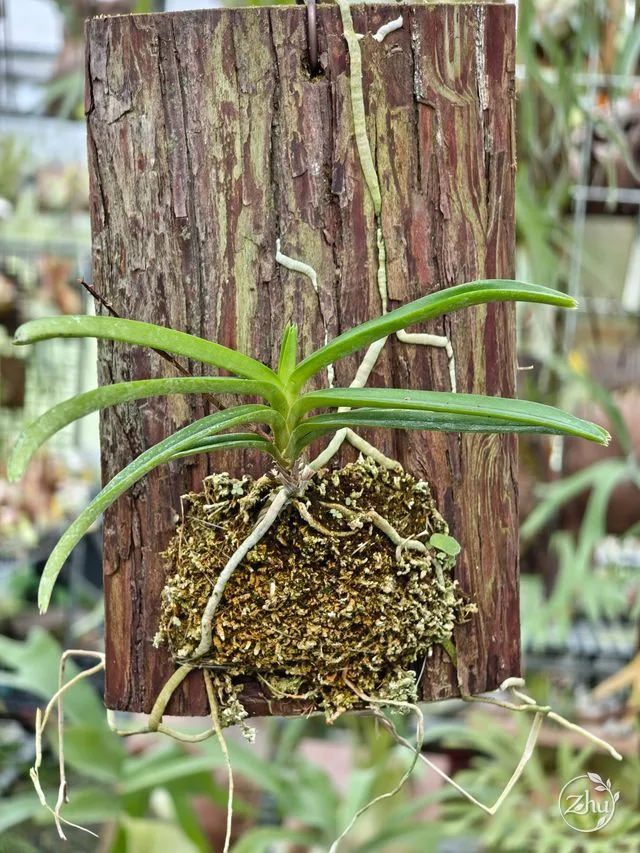
Monopodial and sympodial orchids: two ways an orchid grows
Orchids are traditionally divided into two broad groups by the growth habit of their stems, monopodial and sympodial. This article covers how the two differ, how to tell them apart on a plant, and how they differ when it comes to propagation.
-
2026-10-13
Seedlings and vegetatively propagated plants: how sexual and asexual propagation differ
Seedlings grown from seed can each turn out different, while plants from cuttings, division or grafting are genetically the same as their parent. This article covers how the two differ, the main methods of asexual propagation, how gardeners choose between them, and why F1 cultivars come out uniform even though they are grown from seed.
-
2026-10-01
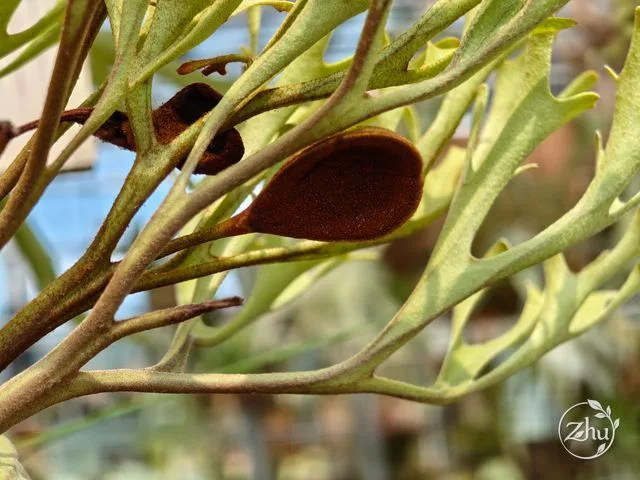
Staghorn fern sporangia
The yellow-brown growth on the back of a staghorn fern's fronds isn't mould or disease. It's mature sporangia, and where and how they form differs between staghorn ferns.
-
2026-09-25
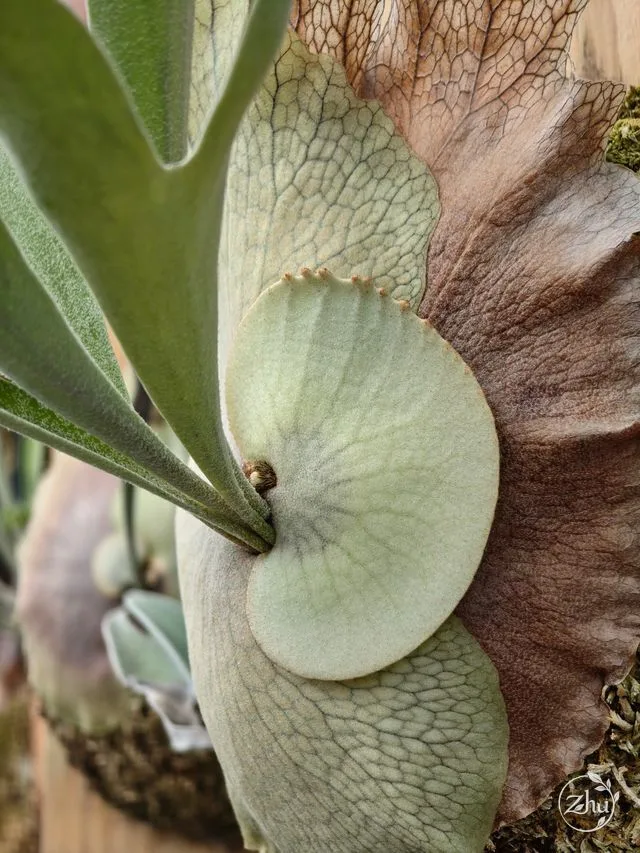
The two kinds of staghorn fern fronds
A staghorn fern grows two completely different kinds of frond. The ones pressed against the mount, which turn brown with age, are the shield fronds; the antler-like ones with spores on their backs are the fertile fronds. This article covers what each looks like and does.
-
2026-09-16
What is CITES? What to know before buying succulents, orchids and caudex plants
Cacti, orchids and some caudex plants are listed in the CITES Appendices. What that means, how Appendices I, II and III differ, what is not covered, and which authority is in charge in Taiwan.
-
2026-09-15
Reading plant scientific names: genus, epithet, f. and 'Compacta'
Using plants from this site as examples, a guide to author names in brackets, synonyms, var. and f., and why cultivar names sit in single quotes.