 Zhu's Plant Journal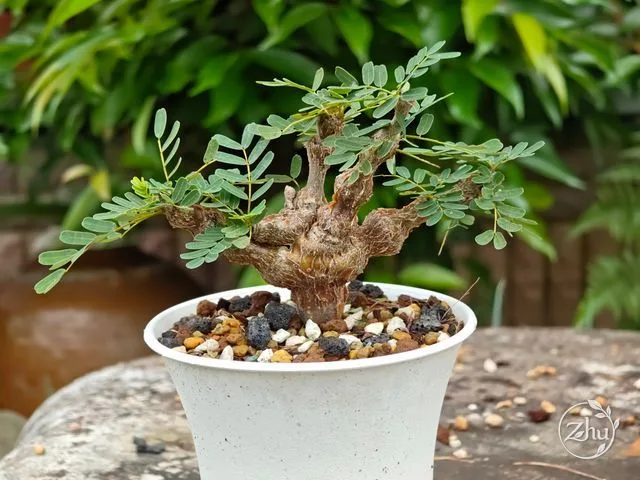
Compiled reference
Background
This plant belongs to the genus Senna in the family Fabaceae. Its scientific name is Senna meridionalis.
It is a shrub or tree native only to Madagascar, where it grows primarily in the seasonally dry tropical biome. Wild populations occur in forest and shrubland at elevations of about 50 to 400 metres, at 9 known locations.
The IUCN Red List assessed it as Vulnerable in 2019 (published in 2020), with a decreasing population. The threats listed include livestock grazing, logging, and fire.
It was first published in 1948 under the name Cassia meridionalis, and was moved to Senna in 1995.
Senna meridionalis is listed in CITES Appendix II, effective since 2013. Appendix II means international trade is regulated, not banned.
Sources
- Royal Botanic Gardens, Kew — Plants of the World Online (POWO): Senna meridionalis (R.Vig.) Du Puy
- 臺灣物種名錄 TaiCOL: Senna 黃槐屬
- IUCN — The IUCN Red List of Threatened Species: Andriamanohera, A.M. 2020. Senna meridionalis. e.T69221935A69259887
- UNEP-WCMC/CITES 秘書處 — Species+: Senna meridionalis Du Puy (1995) — Legal
My own observations
Cultivation
My plants
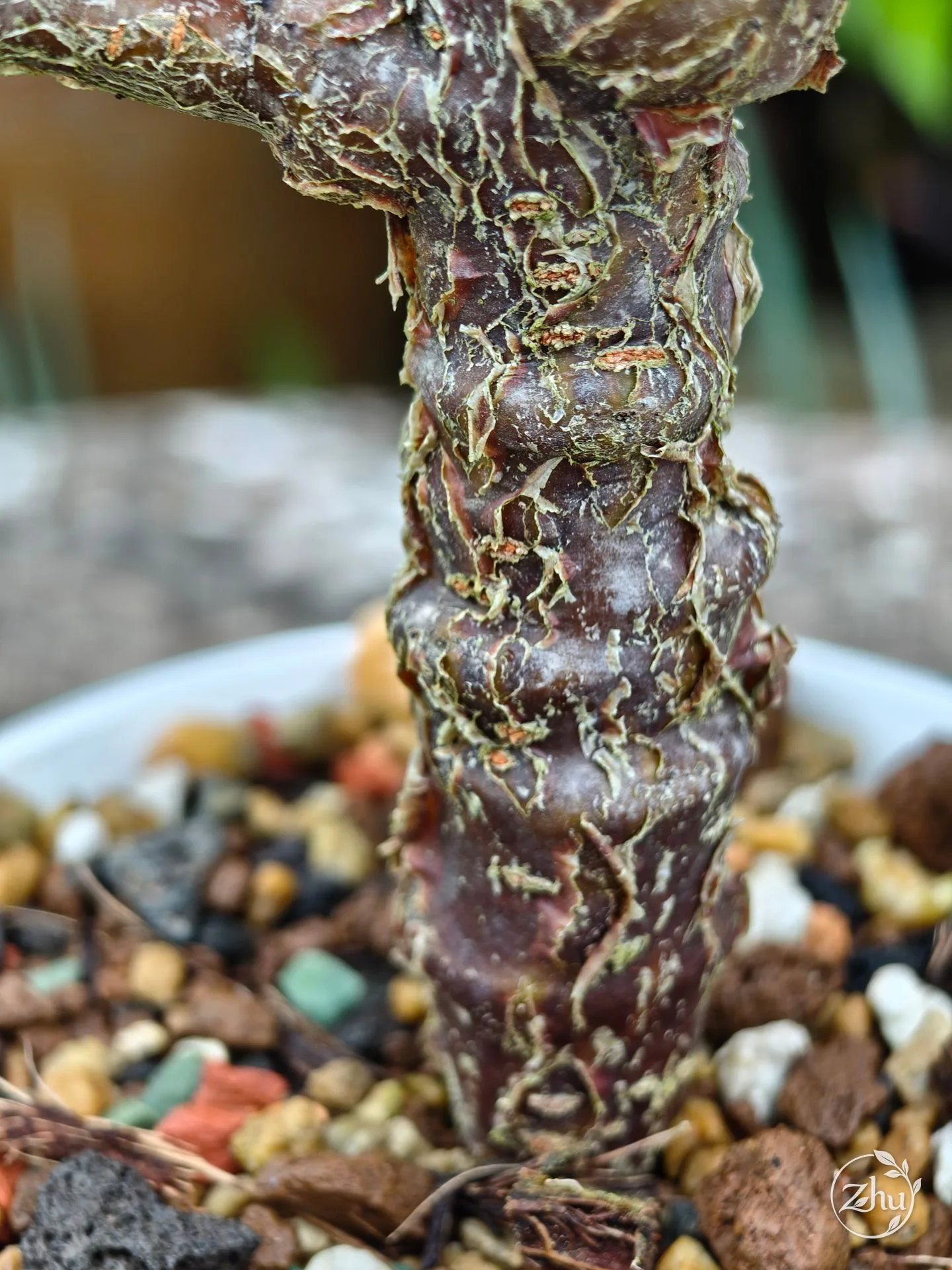
Senna meridionalis is a caudex plant I have been growing for relatively long. One reason is that when I first got into caudex plants, it was a very approachable choice: its growth form satisfies growers who love to admire a swollen stem, and it is also very affordable.
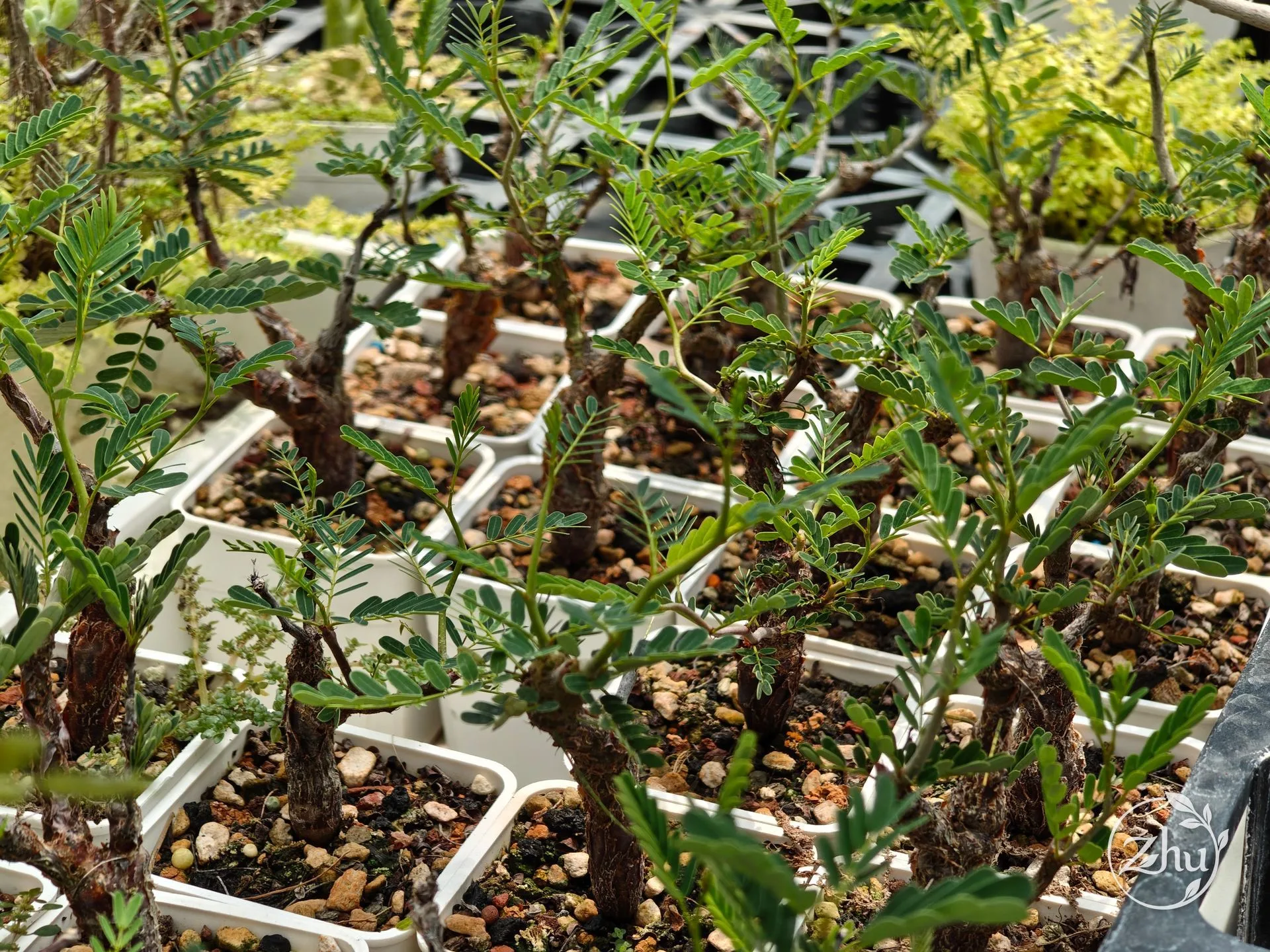
All my plants are ones I sowed myself, and I now have a few dozen. The oldest ones are about four years old, and I also have some seedlings two years after sowing.
Sowing, and how seedlings differ
I have sown it from seed myself. In practice, once you get a few tricks down, the germination rate is actually quite high, around 70% to 80%. For sowing I use potting soil mixed with perlite.
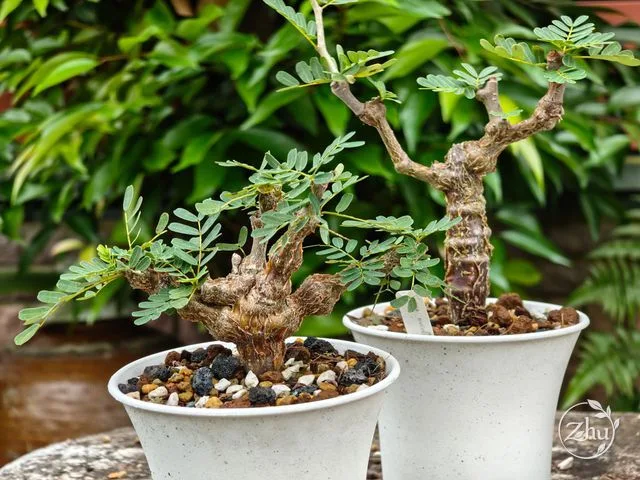
Sowing also lets you see how the seedlings differ from one another, for example in how they branch, the natural length between nodes, and leaf shape. It's really interesting.
The growing season and pruning
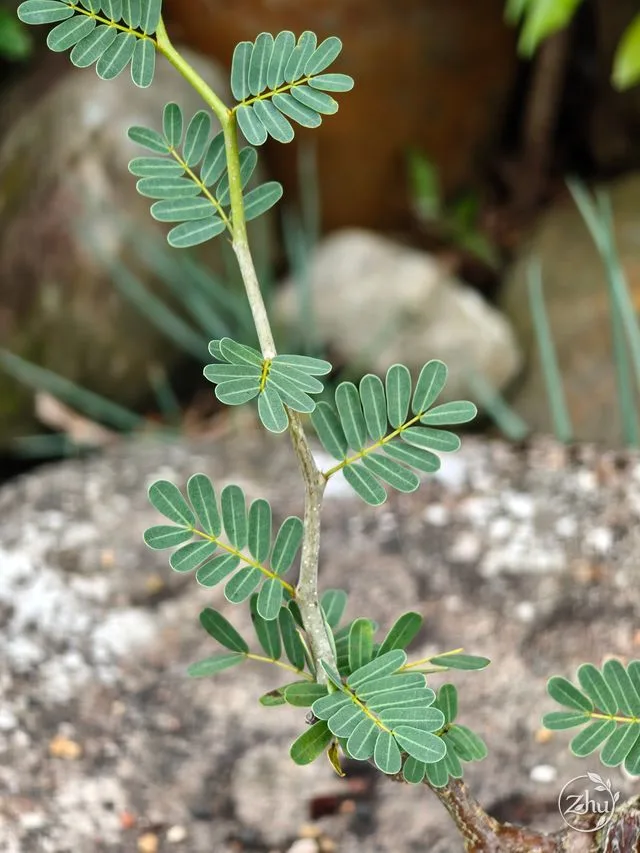
Overall, I don't find it very hard to grow. It likes warmth. Once spring starts, new shoots begin to grow, and quite quickly too, so this is when you can start pruning to shape the tree the way you want.
The growing season lasts until around late autumn, when you can clearly see growth slowing down. Sometimes in a cold winter it also tends to drop some leaves. Once the leaves have dropped, water less often too, so the root zone doesn't stay too wet and risk root damage.
Potting media, light and airflow
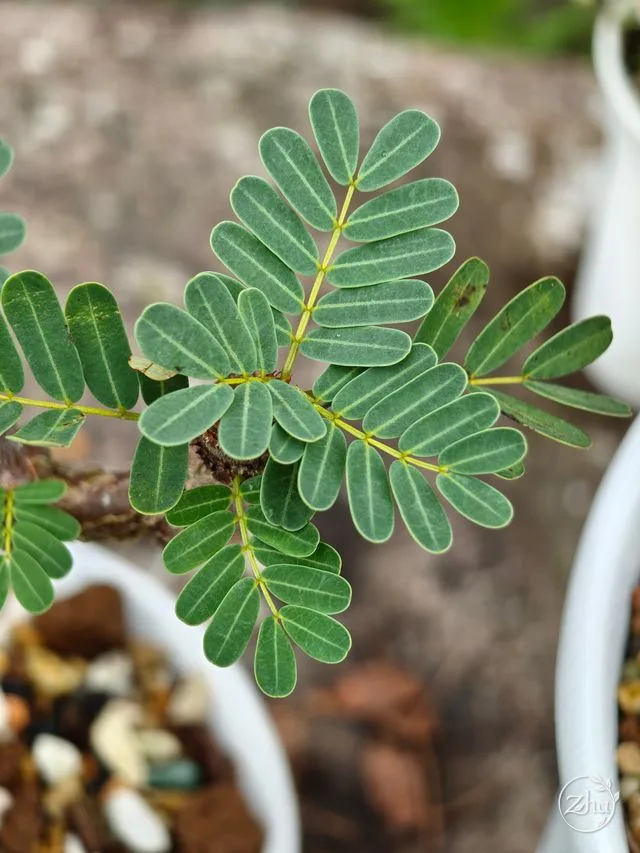
I use coarse, gritty potting media for it as well, but I add about 10% potting soil. Otherwise water is lost quite fast, and I keep seeing the leaves folded shut. Strong diffused light is also a must, along with suitable airflow (outdoors or on a balcony should be enough), so if you grow it indoors you may need to add a grow light and a small fan.
By the way, the leaves of Senna meridionalis have sleep movements: when the plant is short of water, or at night, the compound leaves fold closed. It's quite fun to see.
Material for bonsai
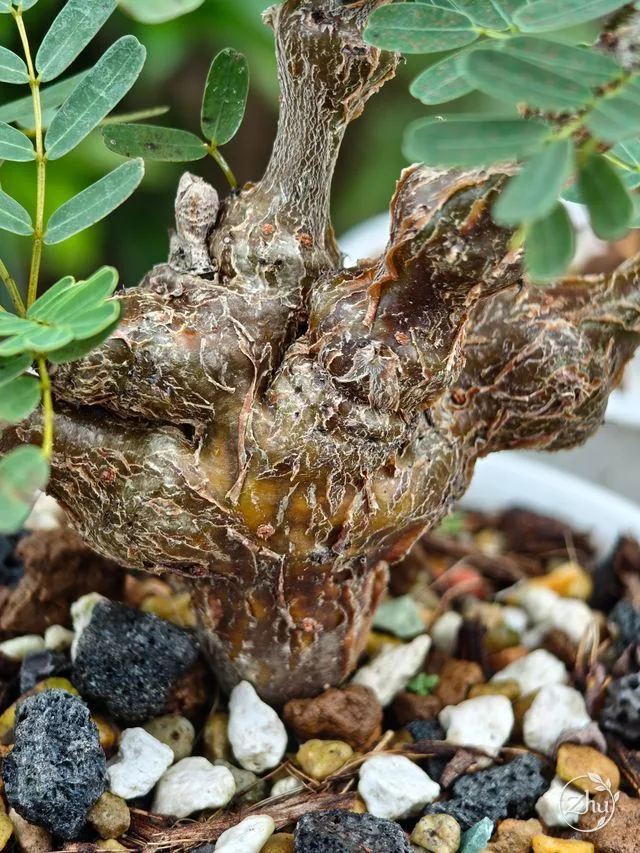
With suitable pruning and shaping, it feels quite well suited as bonsai material. The one small drawback is that wounds on mature branches don't seem to heal all that well. Also, from what I have seen so far, mature branches don't seem to have much potential to sprout new buds, so you probably need to be fairly careful about which branches to keep and which to remove.
Photographs