 Zhu's Plant Journal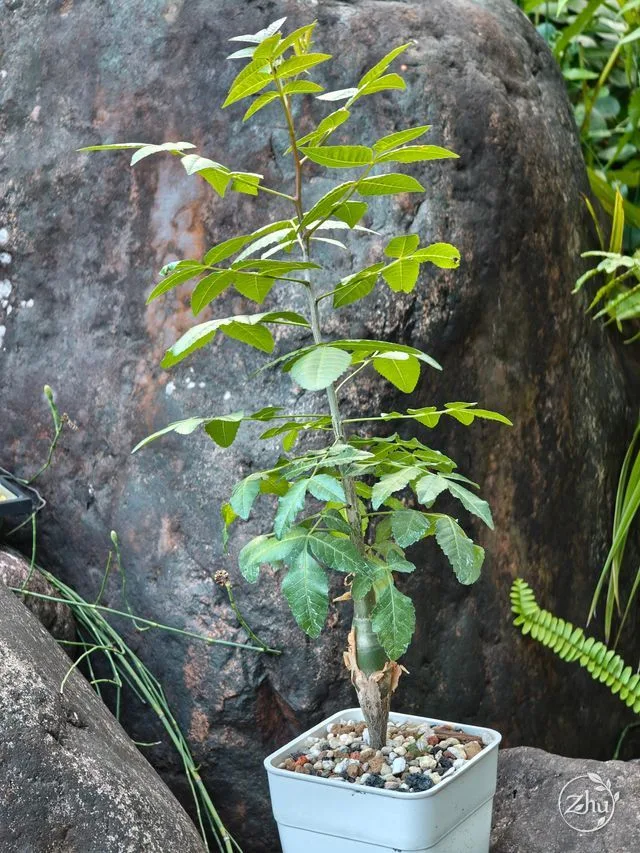
Compiled reference
Background
This plant belongs to the genus Bursera in the family Burseraceae. Its scientific name is Bursera fagaroides.
It is a shrub or tree native from southern Arizona to Mexico, growing primarily in the seasonally dry tropical biome; IUCN records its habitat as forest and desert. One of its English common names is elephant tree.
The IUCN Red List assessed it as Least Concern in 2018, with a stable population trend.
It is not listed in the CITES Appendices.
Sources
- Royal Botanic Gardens, Kew — Plants of the World Online (POWO): Bursera fagaroides (Kunth) Engl.
- 中國科學院植物研究所 — iPlant 植物智: 裂榄属 Bursera
- IUCN — The IUCN Red List of Threatened Species: IUCN SSC Global Tree Specialist Group & BGCI. 2020. Bursera fagaroides. e.T148948270A148952198
- UNEP-WCMC/CITES 秘書處 — Species+: Bursera — 查詢
My own observations
Cultivation
Two sources, two leaf shapes
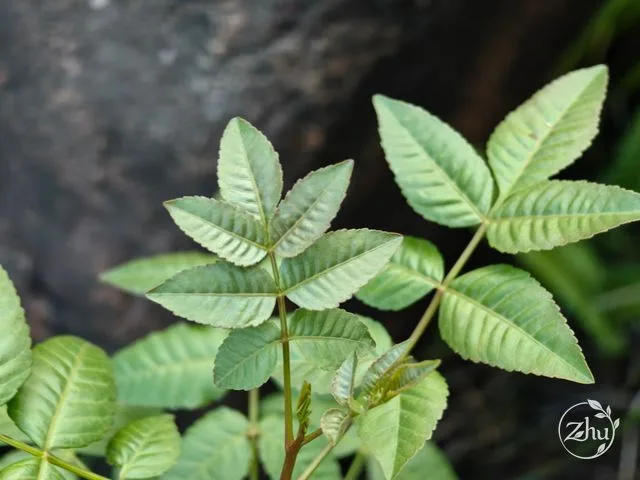
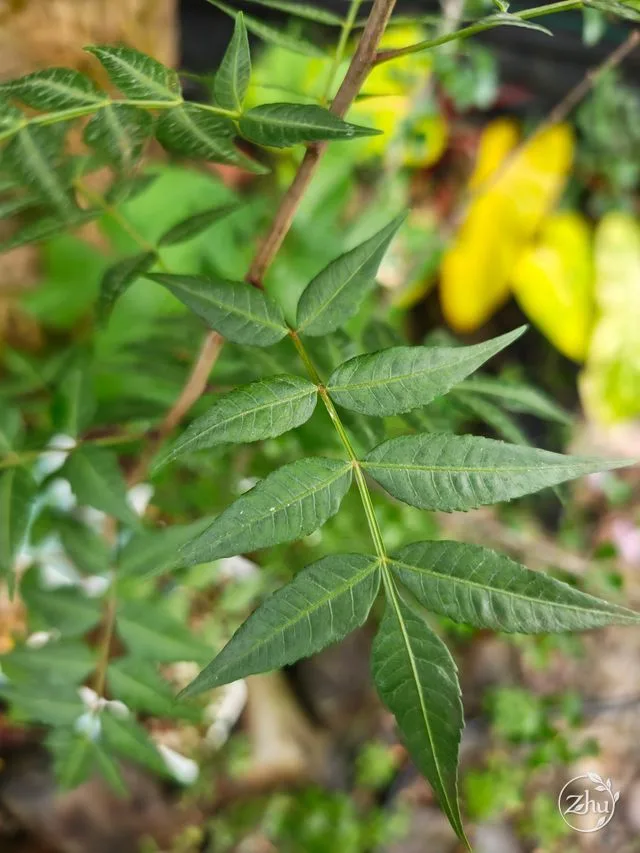
This batch is about another plant in the Burseraceae that I collect: Bursera fagaroides. I have actually sown quite a lot of it, but in different years I bought the seed from two different sellers.
The seed looked much the same, and once grown, the stems of the two batches look much the same too, but I noticed the leaf shape differs a little: one batch has more oblong-elliptic leaves, while the other has more pointed leaves. I wanted to share that. The plants I have now are about one to two years old.
Why I recommend it
If you want a Burseraceae plant that is easy to grow and not expensive, I think this is quite a good choice. First, its seed is cheaper than that of other Bursera species, so growing it from seed won't cost much; seedlings are also reasonably priced. It is also a vigorous grower. As long as it gets enough light it grows quite fast, and going from a 3-inch to a 5-inch pot in one growing season should be no problem.
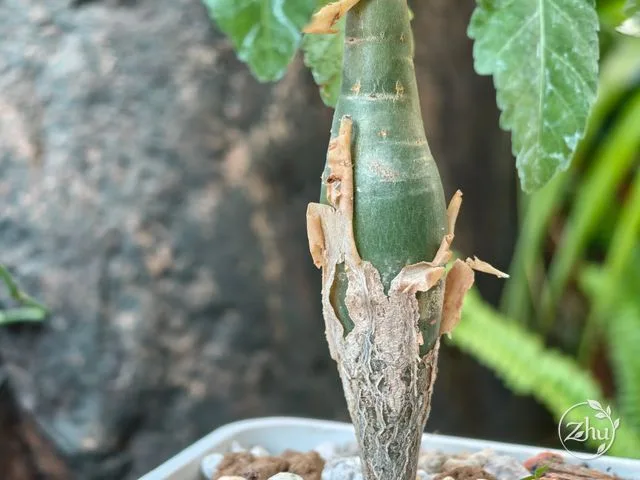
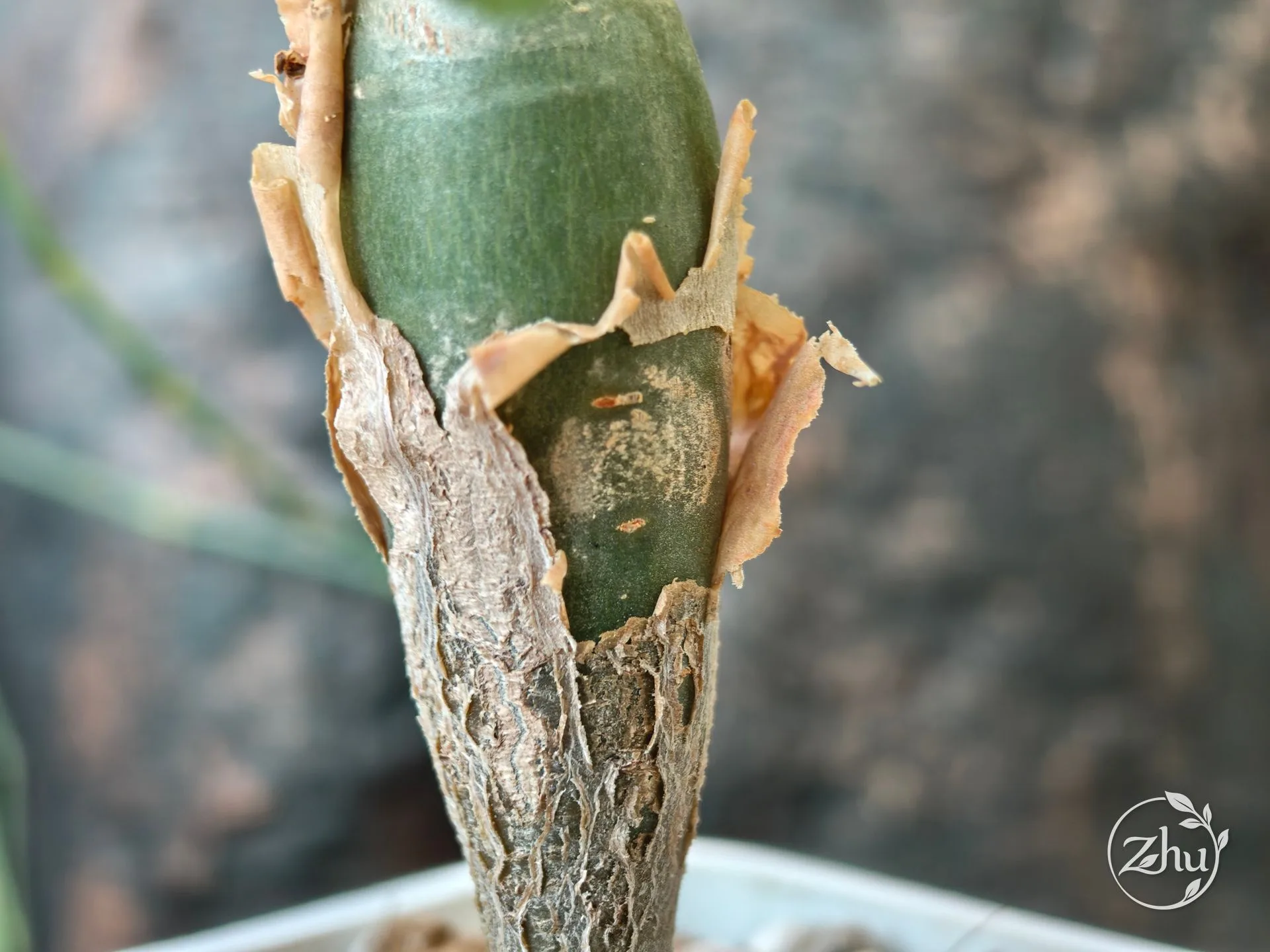
Also, towards autumn and winter, as the plant prepares for dormancy, the base of the stem swells very noticeably, sometimes with a little bark peeling, which gives it real character. For collectors who love caudex plants and collect Burseraceae, I think this is a rewarding trait to see. I'd genuinely recommend it to anyone who likes this kind of plant.
Growing it
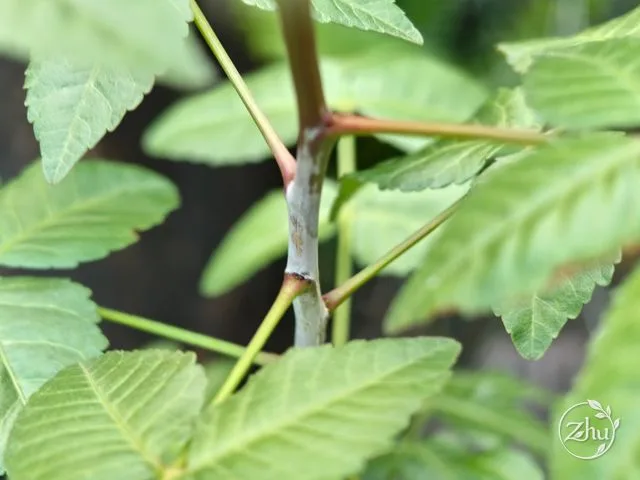
I don't find it very different from other trees and shrubs to grow: mainly coarse, gritty media, suitable airflow and plenty of light, and it does well. It goes dormant and drops its leaves in winter, and puts out new leaves and shoots once it warms up again; in hot weather it grows very quickly.
The one small drawback is that after pruning and shaping, wounds don't heal very well, and the cut spots swell noticeably, which throws the plant's overall proportions off a bit.
Photographs